
Religious Equality
Letter 117
Kind Reader,
In August of 1790, General Washington, so recently elevated to the office of President of the United States, visited Rhode Island. Only three months earlier had that state ratified the new constitution and joined in union with the other states.
While there, he was presented with a formal address by the congregation of the Touro Synagogue in Newport. The following day, he replied. Today, I give you both the address and his reply.
I might note that while the Bill of Rights, including its important first amendment, had been adopted by the Congress almost a year before these addresses were written, it was not yet a part of the constitution, as a sufficient number of states had not yet ratified it.
One of the peculiar, and to my mind peculiarly gratifying, principles upon which our union is founded, is the neutrality of our government in matters of religion, that none shall be favored or privileged, but all be received equally as citizens of the republic irrespective of the doctrines to which they adhere, or the worship they choose to engage in. Religious freedom without religious equality is mere toleration, which President Washington in his address rightfully dismisses.
I remain, as ever,
your humble and obedient servant,
B. Franklin
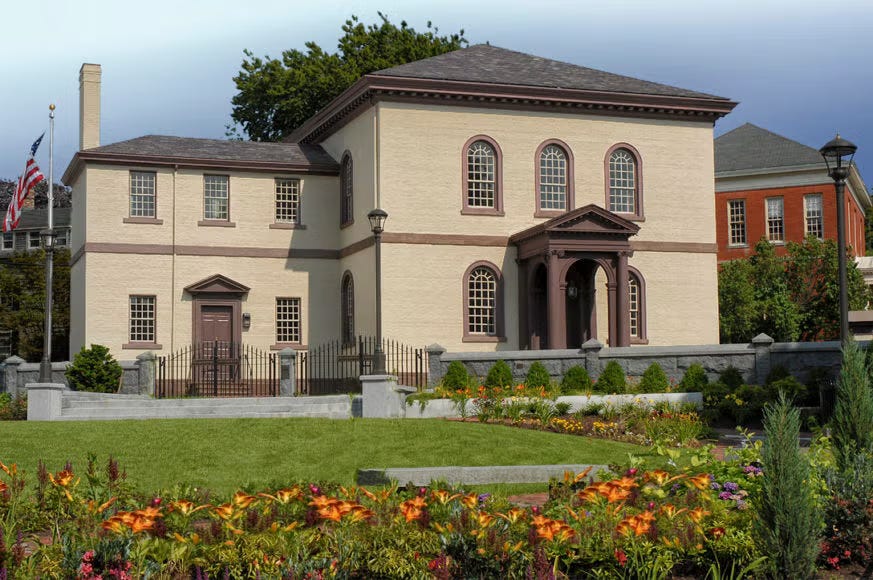
Newport – August 17, 1790.
Sir,
Permit the children of the stock of Abraham to approach you with the most cordial affection and esteem for your person and merits — and to join with our fellow citizens in welcoming you to Newport.
With pleasure we reflect on those days — those days of difficulty, and danger, when the God of Israel, who delivered David from the peril of the sword, — shielded your head in the day of battle: — and we rejoice to think, that the same Spirit, who rested in the bosom of the greatly beloved Daniel, enabling him to preside over the provinces of the Babylonish Empire, rests and ever will rest upon you, enabling you to discharge the arduous duties of Chief Magistrate in these states.
Deprived as we heretofore have been of the invaluable rights of free citizens, we now with a deep sense of gratitude to the Almighty disposer of all events behold a government, erected by the Majesty of the People — a government, which to bigotry gives no sanction, to persecution no assistance — but generously affording to all liberty of conscience, and immunities of citizenship: — deeming every one, of whatever Nation, tongue, or language equal parts of the great governmental machine: — This so ample and extensive Federal Union whose basis is philanthropy, mutual confidence, and public virtue, we cannot but acknowledge to be the work of the great God, who ruleth in the armies of Heaven, and among the inhabitants of the Earth, doing whatever seemeth him good.
For all these blessings of civil and religious liberty which we enjoy under an equal benign administration, we desire to send up our thanks to the Ancient of Days, the great preserver of men — beseeching him, that the angel who conducted our forefathers through the wilderness into the promised land, may graciously conduct you through all the difficulties and dangers of this mortal life — and when, like Joshua, full of days and full of honor, you are gathered to your fathers, may you be admitted into the Heavenly Paradise to partake of the water of life, and the tree of immortality.
Done and signed by order of the Hebrew Congregation in Newport, Rhode Island.
Moses Seixas, Warden
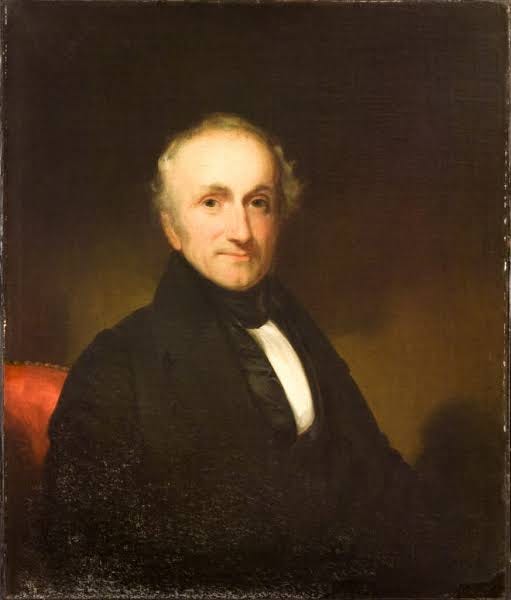
Newport – August 18, 1790.
Gentlemen.
While I receive, with much satisfaction, your address replete with expressions of affection and esteem; I rejoice in the opportunity of assuring you, that I shall always retain a grateful remembrance of the cordial welcome I experienced in my visit to Newport, from all classes of citizens.
The reflection on the days of difficulty and danger which are past is rendered the more sweet, from a consciousness that they are succeeded by days of uncommon prosperity and security. If we have wisdom to make the best use of the advantages with which we are now favored, we cannot fail, under the just administration of a good government, to become a great and a happy people.
The citizens of the United States of America have a right to applaud themselves for having given to mankind examples of an enlarged and liberal policy, a policy worthy of imitation. All possess alike liberty of conscience and immunities of citizenship. It is now no more that toleration is spoken of, as if it was by the indulgence of one class of people, that another enjoyed the exercise of their inherent natural rights. For happily the government of the United States, which gives to bigotry no sanction, to persecution no assistance, requires only that they who live under its protection should demean themselves as good citizens, in giving it on all occasions their effectual support.
It would be inconsistent with the frankness of my character not to avow that I am pleased with your favorable opinion of my administration, and fervent wishes for my felicity. May the children of the stock of Abraham, who dwell in this land, continue to merit and enjoy the good will of the other inhabitants; while every one shall sit in safety under his own vine and fig tree, and there shall be none to make him afraid. May the father of all mercies scatter light and not darkness in our paths, and make us all in our several vocations useful here, and in his own due time and way, everlastingly happy.
G. Washington
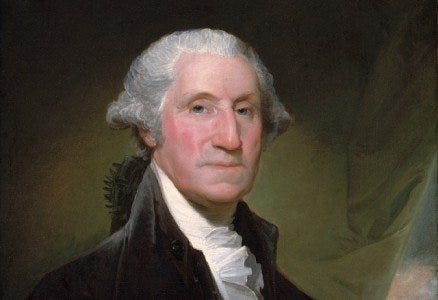
Just by reading the Founding Fathers' writings directly, I highly doubt that most intended separation of church and state to take the form it often does today, namely removing faith from the public square altogether.